
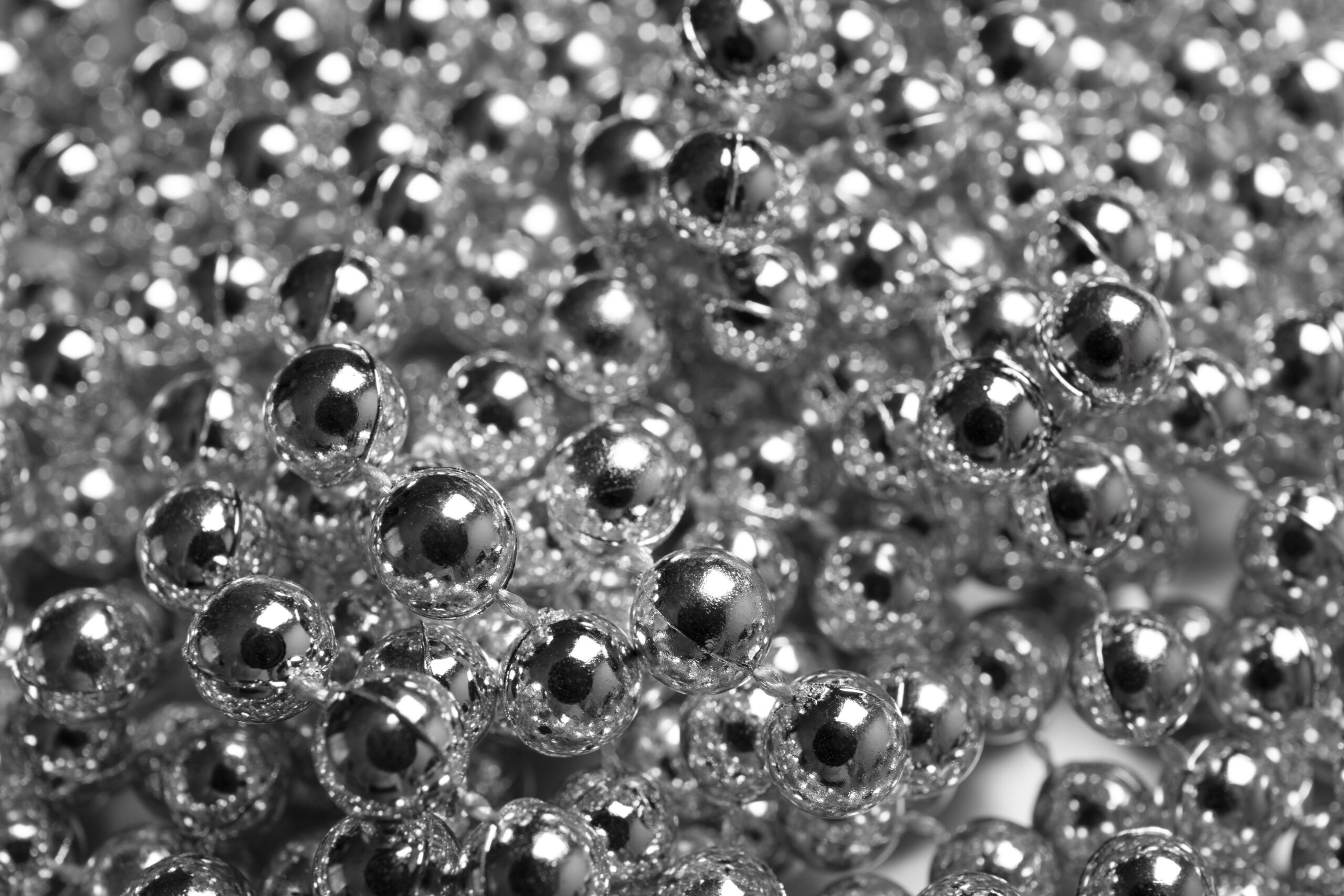
Silver Nanoparticales

Silver Nanoparticales

Silver Nanoparticales by Tricon - Advanced Nano Protection with Powerful Antimicrobial Performance

Silver nanoparticles (AgNPs) are ultra-fine particles of silver ranging in size from 1 to 100 nanometers, known for their exceptional optical, electrical, and antimicrobial properties. Due to their nanoscale dimensions, they exhibit a high surface-area-to-volume ratio, which enhances their reactivity and effectiveness. These particles are widely used in healthcare, consumer products, textiles, electronics, and water treatment systems because of their strong ability to eliminate harmful microorganisms. Silver nanoparticles are typically synthesized through chemical reduction methods and are commonly produced in spherical, rod, or sheet-like structures depending on the application requirements.

One of the most significant features of silver nanoparticles is their powerful antibacterial mechanism. They act by attaching to bacterial cell membranes, disrupting their structural integrity, and releasing silver ions that interfere with essential cellular processes. This dual action damages proteins, enzymes, and DNA within microbial cells, making them effective against both Gram-positive and Gram-negative bacteria. Their broad-spectrum antimicrobial activity has made them valuable in preventing infections and controlling microbial contamination.

In healthcare, AgNPs are incorporated into wound dressings, surgical instruments, coatings for implants, and medical devices to reduce infection risks. In consumer goods, they are added to textiles, washing machines, keyboards, personal care products, and cosmetics for long-lasting antimicrobial protection. Industrial applications include their use in catalysts, conductive inks for printed electronics, optical sensors, and advanced coatings.

Silver nanoparticles are commonly synthesized by reducing silver nitrate using chemical reducing agents such as sodium borohydride in colloidal solutions. Stabilizing agents or polymers are often added to prevent aggregation and maintain particle stability. While highly effective, concerns regarding cytotoxicity and environmental impact have prompted ongoing research into their safety, as their small size allows them to penetrate biological tissues.

Key Types and Characteristics of Di Calcium Phosphate

Silver Nanoparticles are available in various forms depending on their intended application. They are commonly supplied as colloidal dispersions in water or solvents, as dry nanopowder, or embedded within polymer matrices and coatings. Structurally, AgNPs can be synthesized in spherical, rod-shaped, cubic, or sheet-like forms. Particle size typically ranges between 1–100 nm, and the shape and size significantly influence their optical, electrical, and antimicrobial properties. Surface-modified and polymer-coated nanoparticles are also available to enhance stability and prevent aggregation.

In the food sector, Silver Nanoparticles are primarily used in food packaging materials rather than as direct food additives. Their strong antimicrobial properties help extend shelf life by reducing bacterial contamination in packaging films and storage containers. They are also used in food processing equipment coatings to maintain hygienic conditions. However, regulatory approvals vary by country, and their use in direct nutritional applications remains limited due to ongoing safety evaluations.

Silver Nanoparticles are widely applied in pharmaceutical and medical fields for their antimicrobial efficiency. They are incorporated into wound dressings, surgical instruments, implant coatings, and topical creams to prevent infections. In industry, AgNPs are used in conductive inks, printed electronics, catalysts, optical sensors, textiles, and water purification systems. Their unique electrical conductivity and surface plasmon resonance properties make them valuable in advanced technological applications.

Silver Nanoparticles are not traditional nutritional supplements but may be used in controlled amounts for antimicrobial purposes in animal production systems. They can help improve hygiene in water systems and reduce microbial contamination in livestock environments. However, strict regulatory guidelines and dosage control are necessary to prevent toxicity and environmental accumulation.

Silver Nanoparticles appear as a yellowish-brown colloidal solution or fine grey-black powder in dry form. Their nanoscale size gives them high surface reactivity and strong antimicrobial activity. While highly effective, AgNPs can penetrate biological tissues, raising concerns about cytotoxicity and long-term environmental impact. Proper handling, controlled exposure, and compliance with safety regulations are essential when working with these materials.

Silver Nanoparticles are commonly produced through chemical reduction methods, where silver salts such as silver nitrate are reduced using agents like sodium borohydride or citrate in a controlled environment. Biological and green synthesis methods using plant extracts or microorganisms are also gaining popularity for eco-friendly production. Stabilizing agents are added during synthesis to prevent particle aggregation and maintain uniform size distribution.

Property
Details
Chemical Name
Silver Nanoparticles (Nano Silver)
Chemical Formula
Ag
Molecular Weight
107.87 g/mol (atomic weight of silver; nanoparticle form retains elemental composition)
Antimicrobial agent, antibacterial and antifungal additive, conductive material for electronics, catalyst, optical sensing material, coating additive for medical and industrial applications.
Packaging
Available in HDPE bottles (100 ml, 500 ml, 1 L) for colloidal solutions, sealed foil packs or containers for nanopowder (25 g, 100 g, 1 kg), and bulk industrial packaging including drums and customized containers. Packaging is moisture-resistant and light-protected to maintain stability.

Why Choose Tricon?

We are dedicated to providing high-quality food chemicals that meet the highest industry standards. Here’s why you should choose us:

1. Quality Assurance

We ensure that all our products are manufactured with the utmost care and precision, meeting stringent quality control measures. Our products are safe, effective, and consistent.

2. Wide Range of Applications

Our chemicals serve various industries, including food and beverage, pharmaceuticals, and industrial sectors. We offer versatile solutions that help enhance your products' quality and stability.

3. Expertise & Experience

With years of experience in the food chemicals industry, we understand the unique needs of our clients. Our team of experts is committed to providing innovative solutions tailored to your specific requirements.

4. Commitment to Safety

The safety of our products is our top priority. We adhere to all regulatory standards and ensure that our chemicals are safe for their intended applications, including food-grade certifications and more.

5. Customer-Centric Approach

At Tricon, we prioritize building long-term relationships with our clients. We offer personalized support and strive to understand and meet your needs every step of the way.

6. Timely Delivery

We understand the importance of timely supply. Our efficient logistics ensure that your orders are delivered on time, every time.

Versatile Applications of Our Food Chemicals

×
Scroll to Top